


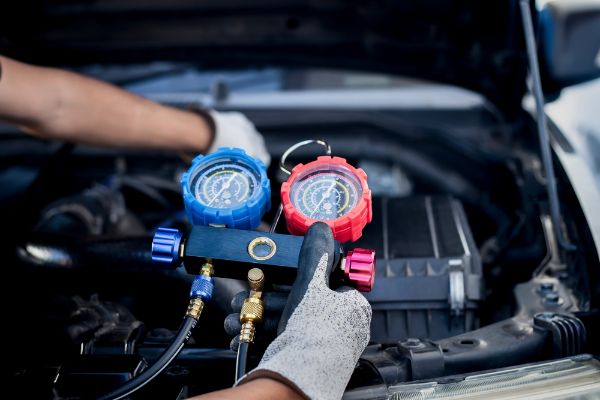
Understanding the Importance of Air Conditioning Service
Routine air conditioning service is important for maintaining comfort and protecting the performance of your vehicle’s cooling system. During warmer months, the air conditioning system works harder to keep the cabin cool and comfortable under changing driving conditions.
The system relies on multiple components working together, including the compressor, refrigerant, hoses, and condenser. Over time, these parts can experience wear or reduced efficiency, making regular maintenance essential for proper operation.
How Routine Maintenance Protects the System
Air conditioning service helps identify small issues before they develop into larger system problems. Low refrigerant levels, worn seals, or restricted airflow can place additional strain on important components if left unaddressed.
Routine inspections allow technicians to evaluate system performance, check for leaks, and ensure all components are functioning properly. Addressing these concerns early helps reduce unnecessary stress on the system and supports long term reliability.
Common Signs Your Air Conditioning System Needs Service
Recognizing warning signs early can help prevent more serious air conditioning issues from developing.
- Warm air coming from the vents
- Weak airflow inside the cabin
- Unusual noises during operation
- Strange odors from the air vents
- Inconsistent cooling performance
Promptly addressing these symptoms helps maintain system efficiency and supports a more comfortable driving experience.
Preventing Larger Air Conditioning Problems
Without regular maintenance, minor air conditioning issues can gradually affect the performance of the entire system. Components that are forced to work harder due to low refrigerant or restricted airflow may experience additional wear over time.
Routine air conditioning service helps keep the system clean, properly charged, and operating efficiently. Preventative maintenance also helps reduce the likelihood of unexpected cooling problems during hot weather.
Supporting Comfort and Reliable Performance
A properly maintained air conditioning system helps provide consistent cooling and improved comfort throughout the year. Reliable system performance is especially important during high temperatures and extended driving conditions.
Routine service also helps maintain airflow quality and supports smoother operation of the entire climate control system.
Schedule Your Air Conditioning Service Today
Staying current with routine air conditioning service is one of the best ways to help prevent system damage and maintain reliable cooling performance. Regular maintenance helps ensure your vehicle remains comfortable and prepared for warmer driving conditions.
If your vehicle is showing signs of air conditioning issues or is due for service, the experienced team at {{ Location Name }} is ready to assist drivers in Aurora with professional air conditioning inspections and maintenance. Visit {{ Location Website }} to schedule your service and keep your vehicle cool and comfortable.